

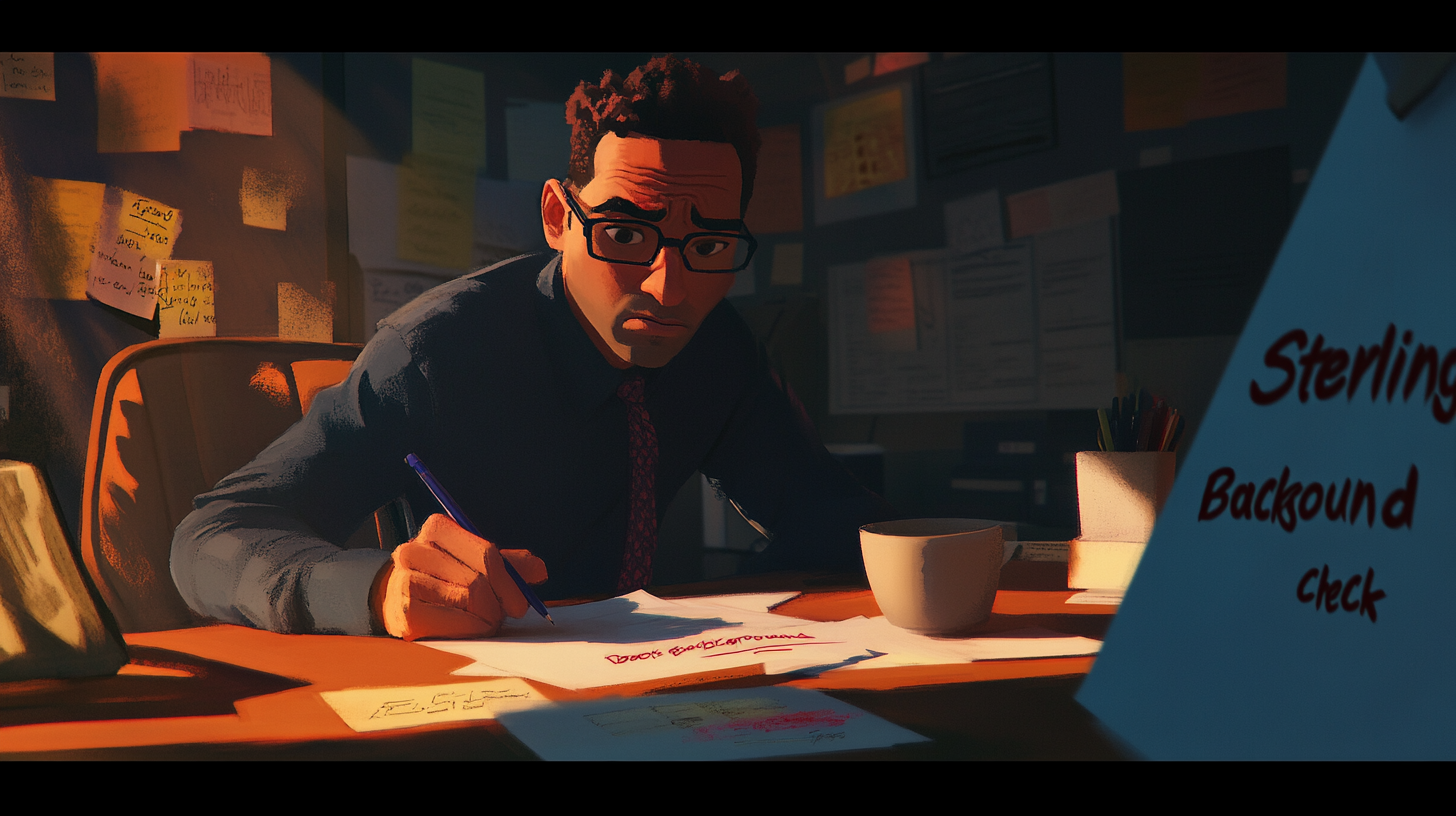
What Sterling Does Not Want You to Know
You didn’t search for “Sterling” because you were curious about their corporate history. You are here because you just received an “Adverse Action Notice.”
Sterling reported a crime you didn’t commit, a debt you don’t owe, or a record that was expunged. Now the job offer has been rescinded, and you are left explaining yourself to a hiring manager who has already moved on.
Stop begging Sterling to fix their mistake. The Fair Credit Reporting Act (FCRA) forces them to be accurate. When they fail, the law allows you to sue for lost wages, emotional distress, and statutory damage, best of all the law says if you are successful, Sterling pays your attorney’s fees.
The “Failure Analysis” (Why You Have a Case)
In my practice defending in San Antonio and all over Texas, I see Sterling repeat the same three profitable mistakes:
- The “Mixed File” Algorithm: They matched you with a criminal who shares your name and birth year, but not your SSN.
- The “Enhanced” Record: They reported a conviction for a felony when the case was a misdemeanor.
- The “Expunged” Ghost: They reported a charge that was dismissed or sealed, because their database is cheap and outdated.
💰 What You Are Owed (The Damages)
A dispute letter might get the error fixed in 30 days. A lawsuit seeks compensation for the damage done today.
- Lost Wages: Compensation for the job you were denied.
- Statutory Damages: Up to $1,000 per violation, automatically.
- Punitive Damages: If we prove they ignored standard procedures.
- 0% Legal Fees: The FCRA requires Sterling to pay my fees if we win. You pay nothing upfront.
📞 Call to Action
Does your background check look like someone else’s rap sheet? Call us for your report for a Free Violation Review. I will tell you if you have a federal case.
Understanding Sterling Background Checks and Your FCRA Rights
Sterling Background Check Services provides screening services to employers and landlords across multiple industries. While background checks serve a legitimate purpose, errors in these reports can have devastating consequences for job seekers and rental applicants.
The Fair Credit Reporting Act (FCRA) provides crucial protections when dealing with background check companies like Sterling. Two key provisions you should know about:
Section 1681e(b) – Accuracy Requirements
Section 1681e(b) requires Sterling to “follow reasonable procedures to assure maximum possible accuracy” of the information in your report. This means Sterling must:
- Verify information before reporting it
- Update their records regularly
- Have systems in place to prevent mixing up files
- Cross-check information for accuracy
Section 1681i – Dispute Investigation Requirements
Under Section 1681i, Sterling must:
- Conduct a reasonable investigation of your dispute within 30 days
- Review and consider all relevant information you provide
- Notify you of the results of their investigation
- Remove or correct any information that’s proven to be inaccurate
- Send you written results of the investigation
Common errors in Sterling background check reports include:
- Mismatched identity information
- Outdated criminal records
- Expunged records that shouldn’t appear
- Criminal records belonging to someone else
- Misdemeanors reported as felonies
- Incorrect employment history
- Inaccurate credit information
Steps to Dispute Your Sterling Background Check
- Request Your Report and Review for Errors
Get a copy of your background check report from Sterling immediately. You’re entitled to a free copy if a negative action was taken against you based on the report. - Gather Supporting Documentation
Collect evidence that proves the errors, including:
- Court documents showing dismissed or expunged cases
- Identity documents
- Employment records
- Address history
- Any other relevant documentation
- File a Formal Dispute
Submit a detailed dispute to Sterling identifying each error. Include your supporting documentation and keep copies of everything you send.
When to Consider Legal Action
If Sterling violates your rights under the FCRA by failing to:
- Properly investigate your dispute
- Correct proven errors
- Follow reasonable procedures
- Meet their obligations under Sections 1681i or 1681e(b)
You may be entitled to significant compensation. Learn more about suing background check companies for FCRA violations.
Damages can include:
- Actual damages (lost wages, housing costs)
- Statutory damages up to $1,000
- Punitive damages
- Attorney fees and costs
Need Help With Your Sterling Background Check Case?
If you’ve been harmed by errors on your background check, our experienced FCRA attorneys can help. We offer free consultations to review your case and explain your rights. Contact us today to learn how we can help you fight back against inaccurate background checks and get the compensation you deserve.
Did Sterling Cost You a Job at Amazon, Uber, or Walmart?
Most people don’t know who “Sterling” is until they get a rejection email. Sterling is the background check provider for some of the world’s largest employers. We see the same specific errors over and over again for these companies:
- Amazon / Amazon Flex: Did you get rejected for a “Criminal Record” that isn’t yours? Sterling often mixes up drivers with common names.
- Uber / UberEats: Did your background check stall for weeks? Sterling is notorious for reporting “Pending” charges that were actually dismissed years ago.
- Walmart & Home Depot: Did they flag your address as “High Risk”? Sterling has been sued for marking motels or low-income housing as “High Risk Indicators,” causing automatic hiring denials.
The “Junior vs. Senior” Mix-Up (A Sterling Specialty)
One of the most common reasons for a Sterling dispute is the “Mixed File” error involving fathers and sons. Sterling’s automated system often matches criminal records using only First Name, Last Name, and DOB.
The Problem: If you are “John Smith Jr.” and your father is “John Smith Sr.,” Sterling may report your father’s felonies on your report simply because you share a name and address history. This is a clear violation of the FCRA’s requirement for “Maximum Possible Accuracy.”
A History of Failure: The $15 Million Settlement
You are not the first victim. In Gambles v. Sterling Infosystems, the company agreed to pay $15 million to settle claims that it reported outdated and inaccurate address information. More recently, the CFPB ordered them to pay $8.5 million for failing to ensure accuracy. If they are still making these mistakes with your file, they are acting willfully—and that entitles you to damages.